Introduction
Collagen is one of the most important proteins in the body, providing structure, strength, and elasticity to the skin. It helps keep skin smooth, firm, and resilient while supporting healthy healing and tissue repair. As we age, however, our bodies naturally produce less collagen, leading to visible changes like fine lines, wrinkles, thinner skin, and a loss of firmness.
For many people in Charleston, SC, environmental factors such as year-round sun exposure, heat, and outdoor lifestyles can accelerate collagen breakdown, making these changes appear earlier than expected.
While collagen loss is a normal part of aging, there are healthy habits and professional treatments that can help support collagen production and maintain healthier-looking skin. Understanding how collagen changes over time is the first step toward developing a skincare routine and treatment plan that supports your skin for years to come.
What Is Collagen?
Collagen is the most abundant protein in the human body. It serves as the primary structural component of the skin, providing strength, flexibility, and support.
Within the skin, collagen works alongside elastin to maintain:
• Skin Firmness
• Skin Elasticity
• Smooth Texture
• Healthy Healing
Specialized cells called fibroblasts are responsible for producing collagen. Throughout childhood and early adulthood, these cells continually replace old collagen with new collagen, helping skin remain youthful and resilient.
As collagen production slows with age, the skin gradually becomes thinner and less able to repair itself, contributing to many of the visible signs of aging.
How Collagen Production Changes With Age
Collagen production naturally begins to decline during adulthood. While the exact rate varies from person to person, most individuals begin producing less collagen in their mid-to-late twenties.
Over time, this gradual decline may lead to:
• Fine Lines
• Wrinkles
• Loss Of Skin Firmness
• Crepey Skin
• Enlarged Pores
• Slower Skin Healing
At the same time, existing collagen fibers become weaker and less organized. Combined with reduced elastin production, the skin becomes less resilient and more susceptible to environmental damage.
These changes happen gradually, which is why many people first notice subtle differences in their skin before deeper wrinkles begin to develop.
Factors That Accelerate Collagen Loss
Although aging is the primary cause of collagen decline, several lifestyle and environmental factors can speed up the process.
Sun Exposure
Ultraviolet (UV) radiation is one of the leading causes of premature collagen breakdown, a process often referred to as photoaging. According to the American Academy of Dermatology, repeated UV exposure damages collagen fibers and contributes to wrinkles, uneven pigmentation, and loss of skin elasticity.
In Charleston, spending time outdoors is part of everyday life, making consistent sun protection especially important.
Smoking
Smoking introduces chemicals that reduce blood flow to the skin and accelerate collagen degradation, contributing to premature aging.
Poor Nutrition
A balanced diet supports overall skin health, while deficiencies in certain nutrients may affect the body’s ability to maintain healthy skin.
Chronic Stress
Long-term stress can affect many aspects of health, including the skin. While stress alone doesn’t directly “destroy” collagen, it may contribute to inflammation and slower skin repair.
Environmental Exposure
Pollution, heat, and other environmental stressors can also contribute to oxidative stress, which may affect collagen over time.
Signs Your Skin May Be Losing Collagen
Collagen loss typically develops gradually rather than all at once.
Common signs include:
• Fine Lines Around The Eyes And Mouth
• Skin That Feels Less Firm
• Rough Or Uneven Texture
• Enlarged Pores
• Mild Skin Laxity
• Acne Scars That Become More Noticeable
• Slower Recovery After Skin Irritation
Many Charleston patients also notice that years of sun exposure make these changes appear more prominent.
Healthy Habits That Support Collagen Production
While no lifestyle habit can completely stop the aging process, several healthy practices can help support collagen production and protect existing collagen.
Wear Sunscreen Every Day
Daily use of a broad-spectrum sunscreen is one of the most effective ways to help reduce UV-related collagen breakdown.
Eat a Balanced Diet
Foods rich in protein, vitamin C, zinc, and antioxidants help provide nutrients involved in normal collagen production and skin health.
Stay Hydrated
Proper hydration helps maintain the skin’s barrier function and overall appearance.
Avoid Smoking
Avoiding tobacco products can help reduce one of the most significant lifestyle factors associated with premature skin aging.
Follow a Consistent Skincare Routine
Using products recommended for your skin type, along with gentle cleansing and moisturization, can support overall skin health.
While these habits are important, they cannot completely replace collagen that has naturally declined with age. This is where professional skin rejuvenation treatments may become part of a comprehensive skincare plan.
Professional Treatments That Support Collagen Production
Modern aesthetic treatments are designed to stimulate the body’s natural healing response and encourage new collagen production. At Monarch Esthetics in Charleston, treatment recommendations are personalized based on each patient’s skin concerns and long-term goals. Here are some of the options that may work best for you.
SkinPen™ Microneedling
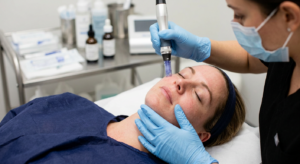
SkinPen™ Microneedling creates thousands of controlled micro-channels in the skin. These tiny micro-injuries stimulate the body’s natural healing response, encouraging new collagen and elastin production.
Patients commonly choose SkinPen™ to improve:
• Fine Lines
• Acne Scars
• Uneven Texture
• Enlarged Pores
• Overall Skin Quality
Because SkinPen™ relies on the body’s natural regenerative process, improvements develop gradually as collagen remodels over time.
Potenza RF Microneedling
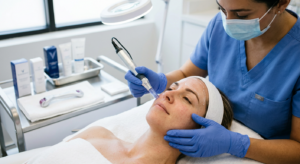
Potenza RF Microneedling combines traditional microneedling with radiofrequency energy.
The addition of RF energy allows treatment to reach deeper layers of the skin, helping stimulate collagen while also improving:
• Mild Skin Laxity
• Crepey Skin
• Acne Scars
• Fine Lines
• Skin Texture
This treatment is often recommended for patients looking to improve both skin firmness and overall texture.
PDGF Therapy
PDGF (Platelet-Derived Growth Factor) therapy is one of the regenerative treatments offered at Monarch Esthetics.
When paired with SkinPen™ Microneedling, PDGF therapy helps support the skin’s natural healing response and collagen remodeling. Many patients choose this option to further enhance skin rejuvenation and recovery.
MOXI Laser Treatments
MOXI is a non-ablative fractional laser treatment designed to improve early signs of aging while supporting collagen production.
Many patients use MOXI to address:
• Uneven Texture
• Mild Pigmentation
• Fine Lines
• Preventative Skin Rejuvenation
Because MOXI stimulates collagen with relatively minimal downtime, it has become a popular option for patients seeking long-term skin maintenance.
Why Collagen Support Is Especially Important in Charleston, SC
Living in Charleston offers an active outdoor lifestyle, but frequent UV exposure can contribute to premature collagen loss over time.
Whether spending time:
• At The Beach
• On The Water
• Golfing
• Walking Downtown Charleston
daily sun exposure can gradually affect the skin’s structure and elasticity.
For this reason, many patients choose to combine healthy skincare habits with professional collagen-stimulating treatments to help maintain smoother, firmer, healthier-looking skin throughout the years.
Frequently Asked Questions
At What Age Does Collagen Production Begin to Decline?
Collagen production generally begins to slow in the mid-to-late twenties, although genetics and lifestyle can influence how quickly changes become noticeable.
Can You Naturally Increase Collagen Production?
Healthy habits such as wearing sunscreen, eating a balanced diet, staying hydrated, and avoiding smoking can help support normal collagen production and protect existing collagen.
Which Professional Treatments Stimulate Collagen?
Treatments such as SkinPen™ Microneedling, Potenza RF Microneedling, PDGF therapy, and MOXI laser treatments are designed to encourage the body’s natural collagen production.
How Long Does It Take to See Results From Collagen-Stimulating Treatments?
Because collagen remodeling takes time, many patients begin noticing improvements within several weeks, with continued enhancement over the following months.
Is Collagen Loss Reversible?
While the natural aging process cannot be completely reversed, professional treatments and healthy lifestyle habits can help improve skin quality by supporting new collagen production.
Conclusion
Collagen is essential for maintaining firm, smooth, healthy-looking skin, but natural production gradually declines with age. Combined with environmental factors like sun exposure, this process can contribute to fine lines, uneven texture, skin laxity, and other visible signs of aging.
Fortunately, there are many ways to support long-term skin health. Daily sun protection, a healthy lifestyle, and consistent skincare habits provide a strong foundation, while professional collagen-stimulating treatments can help improve skin quality as collagen naturally decreases over time.
At Monarch Esthetics in Charleston, every treatment plan is personalized to the individual. Whether you’re looking to maintain healthy skin, improve texture, or address early signs of aging, treatments such as SkinPen™ Microneedling, Potenza RF Microneedling, PDGF therapy, and MOXI laser treatments can help support your skin’s natural collagen production and long-term rejuvenation goals.