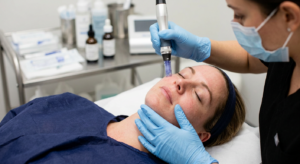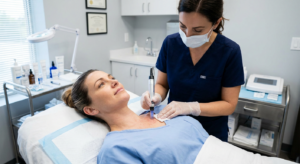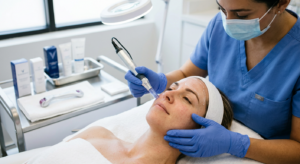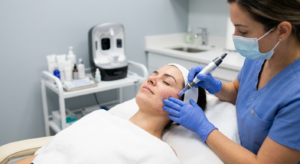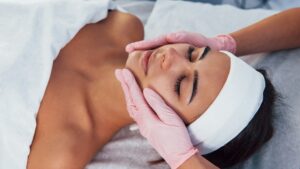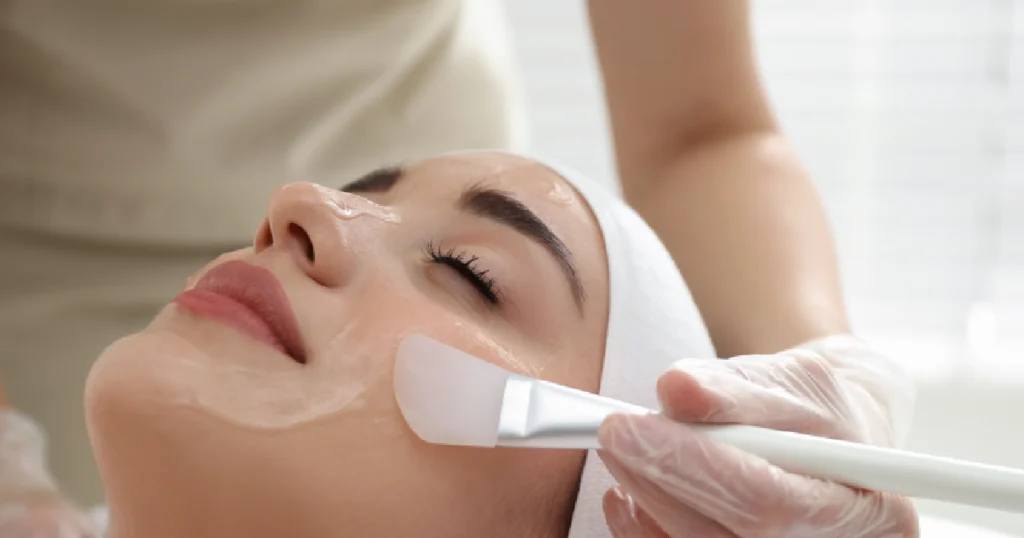
If you’ve ever looked in the mirror and wished you could just shed that tired, dull layer of skin, you’re not alone. At Monarch Esthetics, we see many people with these concerns every day. From fine lines and acne scars, and at Monarch Esthetics, to uneven texture and sun damage, your skin can accumulate signs of wear over time. Chemical Peels offer a proven way to renew your complexion by harnessing the power of carefully formulated acids to reveal fresh, smoother skin beneath.
Whether you’re researching your first peel or exploring more advanced options like the VI Peel or ZO® 3-Step Peel, understanding the science behind the treatment can help you feel confident about your decision. Below, we’ll break down exactly how Chemical Peels work, why they’re so effective, and what you can expect before, during, and after your appointment.
What Is a Chemical Peel?
A Chemical Peel is a skin resurfacing procedure that uses a specially blended solution of acids to remove the outer layers of your skin. These acids cause controlled exfoliation—literally dissolving dead skin cells and stimulating new growth.
Peels range from superficial to deep:
- Superficial Peels: Light exfoliation targeting the top layer (epidermis). These are great if you’re exploring Chemical peel for beginners and want a gentle introduction.
- Medium Peels: Penetrate deeper into the epidermis and upper dermis to treat more advanced concerns.
- Deep Peels: Reach the mid to lower dermis to improve severe wrinkles, scars, or sun damage.
Each type of peel works by triggering the skin’s natural healing response, encouraging cellular turnover and collagen production.
The Key Ingredients: Acids That Resurface
The effectiveness of any Chemical Peel depends on its ingredients. Here are some of the most commonly used acids and their roles:
Glycolic Acid
Derived from sugarcane, glycolic acid is a water-soluble alpha hydroxy acid (AHA) with the smallest molecular size, allowing it to penetrate the skin efficiently. It breaks apart the bonds holding dead cells together, revealing brighter, more even skin—one of the most well-known Chemical peel benefits.
Salicylic Acid
A beta hydroxy acid (BHA), salicylic acid is oil-soluble, making it especially effective for acne-prone and oily skin. Chemical peels for acne often include salicylic acid to unclog pores and reduce breakouts.
Lactic Acid
Another AHA, lactic acid ,is milder than glycolic and works well for sensitive or dry skin types. It hydrates while exfoliating, improving texture without significant irritation.
Trichloroacetic Acid (TCA)
TCA is commonly used in medium-depth peels. It penetrates deeper layers to address wrinkles, pigmentation, and more extensive sun damage.
Retinoic Acid
A potent derivative of vitamin A, retinoic acid accelerates cell turnover and collagen synthesis. In peels like the ZO® 3-Step Peel, it enhances long-term results.
Phenol
Used in deep peels, phenol produces dramatic rejuvenation. However, it requires longer downtime and careful medical supervision.
Each of these acids plays a unique role in breaking down damaged skin cells and stimulating the growth of fresh, healthy tissue.
How Chemical Peels Work at the Cellular Level
So, what’s actually happening under the surface when your provider applies a peel solution?
Here’s a step-by-step look at the science:
- Application: The chemical solution is applied evenly across the treatment area.
- Protein Denaturation: The acids disrupt the bonds (desmosomes) between keratinocytes—the main skin cells in the epidermis—causing exfoliation.
- Inflammatory Response: The body interprets this controlled injury as damage, triggering an inflammatory cascade. This process increases microcirculation and stimulates fibroblasts to produce new collagen and elastin.
- Peeling and Shedding: Over the next few days, dead skin cells slough away, revealing a smoother layer underneath.
- Regeneration: New cells migrate to the surface, replacing the old tissue with brighter, healthier skin.
By targeting both the surface and deeper structures, Chemical Peels improve texture, tone, and firmness in a single procedure.
The Different Types of Chemical Peels Explained
If you’re considering a peel, you’ve probably come across a few popular options. Here’s a closer look at how they differ:
VI Peel
A medium-depth peel that combines TCA, salicylic acid, retinoic acid, phenol, and vitamin C. It’s designed to tackle acne, pigmentation, fine lines, and textural irregularities. Many people appreciate the balance between effectiveness and manageable downtime (about 4–7 days of peeling). It’s especially popular for Chemical peels for hyperpigmentation and Chemical peels for dark spots.
ZO® 3-Step Peel
A three-part system that includes an in-office application of acids followed by an at-home retinol protocol. This peel goes deeper to treat melasma, severe discoloration, and deeper wrinkles. Expect 7–10 days of visible peeling—ideal if you’re seeking Chemical peels for wrinkles.
ZO® Stimulator Peel
Sometimes called the Red Carpet Peel, this superficial peel uses a combination of lactic, citric, and salicylic acids to boost radiance without downtime. It’s a favorite Chemical peel for beginners because it offers a noticeable glow with minimal irritation.
Retinol Peels
These peels focus on retinoic acid to stimulate cell renewal and collagen over time. They’re often layered with AHAs for a more comprehensive resurfacing effect.
What to Expect Before, During, and After Treatment
Before you arrive for your appointment, it helps to understand how the entire process unfolds. Here’s a quick introduction to what happens before, during, and after a chemical peel treatment so you can feel comfortable and prepared.
Consultation
Before scheduling a peel, you’ll meet with a skincare professional to discuss:
- Your skin type and concerns
- Medical history (e.g., history of cold sores)
- Desired results
- Preparation steps (like stopping retinol 5–7 days before your peel)
This step ensures the treatment is safe and tailored to your goals—especially if you’re considering Chemical peels for acne or more advanced concerns.
During Your Appointment
The procedure typically follows these steps:
- Your skin is cleansed to remove oils and debris.
- A prep solution may be applied to ensure even penetration.
- The peel solution is applied for a specific amount of time.
- In some cases, a neutralizing agent is used to stop the reaction.
- A soothing serum or barrier cream is applied.
You may feel tingling, heat, or stinging while the solution is active, but discomfort is usually brief.
Aftercare and Recovery
Post-peel care is essential to protect your skin as it heals:
- Avoid picking or peeling the skin manually.
- Use a gentle cleanser and moisturizer.
- Apply broad-spectrum sunscreen daily.
- Avoid heavy workouts and excessive heat for several days.
- Follow your provider’s instructions about active skincare products.
Most people see visible peeling within 2–3 days, with final results appearing in about 7–10 days for medium peels.
How to Maximize Your Results
A Chemical Peel can deliver impressive improvements on its own, but your aftercare routine plays a big role in your results. Here are a few tips:
- Schedule a series of treatments if recommended—multiple sessions build on each other to progressively refine your skin.
- Use medical-grade skincare products to maintain your new glow.
- Keep up with sun protection to prevent new pigmentation.
- Be consistent—results improve over time with good habits.
If you’re in the area and looking for Chemical Peels in Charleston ,SC, working with an experienced provider ensures you get the best results safely.
Are Chemical Peels Safe?
When performed by trained professionals, Chemical Peels are very safe. However, not every peel is right for every skin type. People with very dark skin tones may require special considerations to avoid hyperpigmentation. Those who are pregnant, nursing, or have active infections should avoid peels.
Your provider will assess these factors and recommend alternatives if needed.
A Proven Path to Healthier Skin
Chemical Peels remain one of the most effective and scientifically backed methods to refresh your complexion. From the VI Peel to the ZO® 3-Step Peel, these treatments blend the best of modern science and aesthetic medicine to help you achieve smoother, brighter, and healthier skin.
Our team is here to help you find the ideal peel for your skin type and goals. Whether you’re curious about a no-downtime option or ready for a deeper transformation, we’ll guide you through every step with care and expertise.
Book your consultation with Monarch Esthetics today to learn how Chemical Peels in Charleston, SC, can rejuvenate your skin and restore your confidence. Your Glow Journey Starts Here.
Read Also About – Chemical Peel for Neck and Chest